HEALTH & WELLNESS · Pelvic-floor health
Emsella and bladder concerns: where to start
Urinary leakage, urgency or changes in bladder control can affect daily routines.
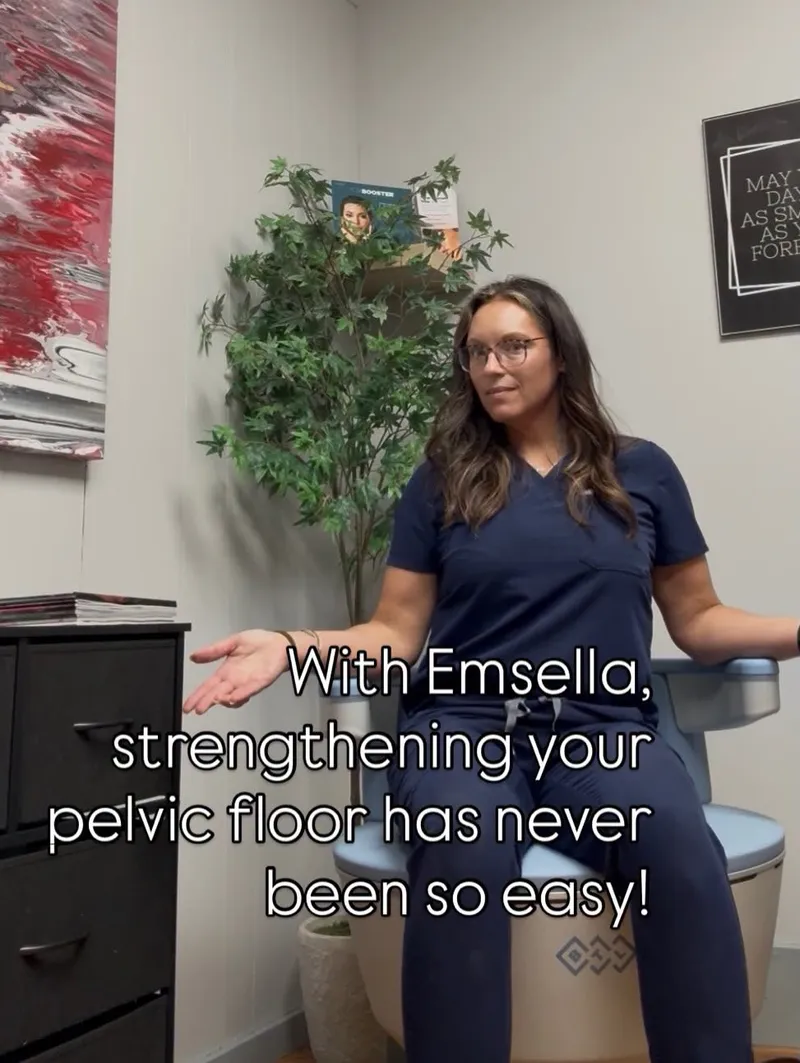
An assessment helps identify the concern and the care options that fit. Top Form offers Emsella consultations for women and men at Papillion; the device is one option to discuss, rather than a diagnosis or a solution for every bladder symptom.
Describe the pattern privately
Tell the clinician when symptoms occur, whether they are new and what else has changed. Leakage with exertion and a sudden urge to urinate can involve different issues. Medical history, medications and other symptoms help guide assessment. Keep these details in the clinic’s approved care channels.
Understand the chair treatment
Emsella uses electromagnetic stimulation of pelvic-floor muscles while you remain seated and clothed. The clinic’s typical series is six approximately 28-minute sessions, with timing individualized after screening. A session count is not a promise of a particular result.
Discuss alternatives and eligibility
Ask about pelvic-floor physical therapy, behavioral approaches, medication or further evaluation as appropriate. Share information about implants, pregnancy/postpartum status, prior procedures and medical conditions. Device-specific contraindications and clinical clearance apply.
Keep different goals distinct
Bladder control, sexual wellness and abdominal strength are different concerns. Emsella is not a universal treatment for sexual dysfunction or a replacement for abdominal exercise. If combined care is proposed, review the role, limits, price and follow-up for each treatment.
NIDDK: bladder-control concerns ↗
Educational information only, not medical advice. Individual assessment is required; suitability and outcomes vary.