
- GLP-1 injections like Wegovy offer dramatic 15-22.5% weight loss by regulating metabolic hormones, making them a powerful tool for significant health changes.
- Oral medications provide a more moderate 5-10% weight loss, serving as an accessible, cost-effective, and needle-free option for achieving meaningful health improvements.
- Your choice depends on your goals and budget, weighing the high efficacy of injections against the established, convenient, and affordable nature of oral pills.
If you’ve ever followed a diet perfectly, exercised consistently, and still watched the scale refuse to budge, you’re not alone. Hitting a plateau isn’t about lack of effort, but it’s a sign that your metabolism has adapted and your biology is working against you. Among today’s most effective tools are GLP-1 receptor agonist injections and oral weight loss medications.
Both options are scientifically backed, clinically effective, and customizable to your needs, but they work in different ways and fit different lifestyles.
Understanding How Medical Weight Loss Medications Work
Before choosing a treatment path, it’s important to understand what these medications actually do. Contrary to common belief, they’re not “shortcuts.” Instead, they support your body’s own metabolic systems to make sustainable weight loss achievable.
When you gain weight or struggle to lose it, it’s often due to hormonal imbalances, slowed metabolism, insulin resistance, or appetite signaling issues. Medical weight loss medications help reset these systems so your efforts with nutrition and activity become more effective and rewarding.
How GLP-1 Receptor Agonists Work
GLP-1 (glucagon-like peptide-1) receptor agonists are a breakthrough class of medications that mimic a natural hormone your body produces when you eat. This hormone plays a crucial role in appetite regulation and glucose metabolism.
These medications, like Semaglutide (Wegovy) and Liraglutide (Saxenda), and newer dual-action agents like Tirzepatide (Zepbound), have transformed the way medical professionals approach obesity management. They don’t simply reduce appetite; they help restore your body’s natural ability to regulate hunger and fullness.
These medications regulate multiple systems at once, like your appetite, your digestion, and your blood sugar, all of which play major roles in sustainable weight loss. Here’s how they work:
- Mimic Natural Hormones: GLP-1s imitate incretin hormones that your gut naturally releases after eating.
- Signal Satiety: These hormones tell your brain that you’re full, leading to a natural decrease in appetite.
- Slow Gastric Emptying: They slow the rate at which food leaves your stomach, helping you stay satisfied longer.
- Balance Blood Sugar: GLP-1s increase insulin when blood sugar is high and suppress glucagon (which raises blood sugar), promoting better metabolic control.
Oral Weight Loss Medications
If injections aren’t for you, there’s a well-established category of oral medications that help with weight management through various mechanisms. These medications have been used safely for decades and can be highly effective when combined with a professional care plan.
Each medication serves a distinct role depending on your needs, whether that’s reducing portion sizes, controlling cravings, or improving adherence to a nutrition plan. They’re not a single “type” of drug but rather several classes, each with unique strengths:
Appetite Suppressants
Medications like Phentermine reduce hunger by stimulating specific brain chemicals that control appetite. These are often used short-term to kickstart progress.
Combination Medications
Naltrexone-Bupropion (Contrave) works on the brain’s reward system to reduce cravings and emotional eating. And Phentermine-Topiramate (Qsymia) combines appetite suppression with enhanced satiety for more balanced control.
Fat Absorption Inhibitors
By blocking your intestines from absorbing a portion of dietary fat, orlistat (Xenical) helps your body eliminate it through digestion.
Oral GLP-1s for Needle-Free Convenience
The latest innovation in this field is Oral Semaglutide (Rybelsus), a pill that activates the same GLP-1 pathways as the injectable versions. While currently approved for type 2 diabetes, it’s being used off-label for weight loss and is showing impressive results in trials.
However, its use requires precision; it must be taken on an empty stomach with plain water, at least 30 minutes before any food, drink, or other medication. For those committed to routine, it offers a powerful needle-free alternative that may soon become FDA-approved for weight management.
How Much Weight Can You Expect to Lose When Comparing Effectiveness?
Weight loss outcomes depend on the type of treatment, consistency, and individual response, but GLP-1 medications continue to lead in clinical effectiveness. Injectable options such as Wegovy (Semaglutide) and Zepbound (Tirzepatide) show some of the most significant results in non-surgical weight management, averaging 15% to 22.5% total body weight reduction over roughly 68 weeks.
Beyond weight loss, these treatments often improve blood pressure, cholesterol, and blood sugar regulation, making them beneficial for overall metabolic and cardiovascular health. Oral medications generally produce more moderate results, typically around 5–10% total body weight loss with consistent use.
Even at this level, patients often experience meaningful improvements such as better mobility, lower blood pressure, reduced joint discomfort, and increased energy. While the injectable GLP-1s deliver faster and more pronounced outcomes, oral medications still play a valuable role for those seeking a sustainable, medically guided approach that fits comfortably into daily life.
Weighing the Benefits and Drawbacks of GLP-1 Injections
Each treatment pathway has distinct advantages and considerations. Your choice will depend on how these factors align with your personal goals and lifestyle. The benefits of this include:
Unprecedented Efficacy
The results of clinical trials are unmatched by those of any previous medication. On average, Semaglutide (Wegovy) demonstrated an average weight loss of around 15% of total body weight. Tirzepatide (Zepbound), with its dual action, has shown an average weight loss of up to 22.5% in its trials.
Broad Metabolic Benefits
These drugs do far more than just facilitate weight loss. They are proven to improve A1C (blood sugar), lower blood pressure, and improve cholesterol profiles.
In a major recent development, Wegovy was also FDA-approved to reduce the risk of major cardiovascular events (like heart attack and stroke) in overweight or obese adults with established heart disease.
Dosing Convenience
Most GLP-1 injections are administered once per week. For a busy professional, this “set it and forget it” approach is often far more convenient and easier to adhere to than a daily pill regimen. By targeting satiety, hunger, and digestion simultaneously, they address multiple biological drivers of obesity.
However, you should also be aware of their drawbacks to have it appropriately administered for better health and weight reduction. These are
Gastrointestinal Side Effects
Slowing your stomach can cause nausea, vomiting, constipation, diarrhea, and acid reflux. These side effects are most common when starting the medication or increasing the dose (a process called titration) and, while they often improve, they can be a significant barrier for some.
Administration Method
They require a subcutaneous self-injection, typically in the abdomen, thigh, or upper arm. While the needle is hair-thin and generally painless, a true needle phobia can be a major deterrent for some patients.
High Cost and Insurance Hurdles
Without insurance, these medications can cost $1,000 to $1,400+ per month. Insurance coverage is highly variable; many plans will not cover them for weight loss alone (as opposed to type 2 diabetes), creating a significant access issue.
Potential for Muscle Mass Loss
Because they can decrease appetite so significantly, you may not consume enough protein. Rapid weight loss without adequate protein intake and resistance exercise can lead to the loss of lean muscle mass, which is not a healthy outcome. This is why medical supervision is critical.
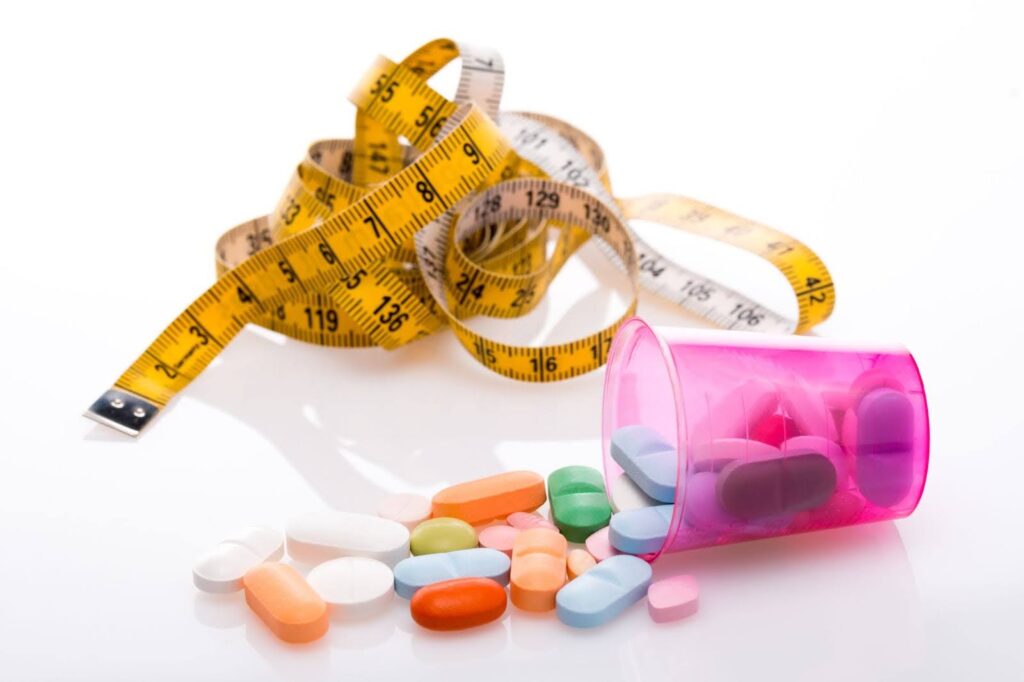
The Pros and Cons of Oral Weight Loss Medications
Oral weight loss medications offer a convenient, accessible, and often more affordable option compared to injectable treatments. However, their effectiveness, side effects, and daily management requirements can vary widely.
Knowing both the advantages and challenges helps you make an informed choice that aligns with your health goals and lifestyle.
Easy and Comfortable to Take
A major advantage of oral medications is their simplicity. As daily pills, they remove the stress of injections, no needles, refrigeration, or special disposal required. This ease of use helps many people stay consistent, which is one of the most important factors in achieving lasting results.
Cost-Effective and Accessible
Compared to injectables, oral medications are often more affordable and widely covered by insurance. Generic options like Phentermine can be extremely cost-effective, while branded options such as Contrave or Qsymia are typically available at a fraction of the cost of GLP-1 injections. This affordability makes ongoing treatment more realistic for many individuals.
Backed by Years of Clinical Use
Unlike many newer injectables, several oral medications have long-standing clinical histories. Phentermine, for instance, has been prescribed for decades and remains one of the most well-understood short-term weight loss medications.
This track record gives both patients and providers confidence in its safety and effectiveness when used appropriately.
Personalized Mechanisms That Match Your Needs
Not all weight loss challenges are the same, and oral medications allow for a more personalized approach. This range of options allows providers to tailor treatment to your unique metabolic profile and lifestyle.
- Contrave targets cravings and emotional eating, helping those who struggle with food reward behaviors.
- Phentermine suppresses appetite and boosts energy, making it easier to reduce calorie intake and stay active.
- Orlistat blocks fat absorption, offering a digestive-based approach that limits calorie intake directly.
Measurable Health Improvements
Even modest weight loss can create meaningful changes in your overall health. These benefits often appear early in treatment and strengthen when paired with sustainable lifestyle changes. Oral medications typically help users lose 5–11% of their total body weight, which can lead to:
- Improved blood sugar control and reduced diabetes risk
- Lower blood pressure and cholesterol
- Better joint comfort and mobility
- Higher energy levels and improved mood
Flexible for Everyday Life
Oral medications integrate easily into daily routines. Most are taken once a day, and even those that require multiple doses fit smoothly into mealtimes. This flexibility supports long-term consistency, which is essential for maintaining results.
A Well-Understood Side Effect Profile
While side effects vary by medication, they are generally predictable and manageable under medical supervision. Your provider can adjust dosing or medication type as needed to maintain comfort and effectiveness.
- Phentermine may cause temporary restlessness or dry mouth.
- Contrave can lead to mild nausea or dizziness at the start of treatment.
- Orlistat may cause digestive changes after high-fat meals, which also helps encourage healthier eating habits.
Safe When Monitored by Your Provider
Some oral options, such as Phentermine, are intended for short-term use, typically 12 weeks, while others, like Contrave, can support longer-term management. With proper oversight, these medications can be used safely, especially when integrated into a structured care plan that includes nutrition, exercise, and behavioral support.
Who Is the Right Fit for Each?
Choosing between GLP-1 injections and oral medications comes down to how well each fits your body, goals, and comfort level. There’s no universal “best” treatment, only what’s best for you based on your health profile and long-term needs.
Ideal Candidates for GLP-1 Injections
GLP-1 receptor agonists are often the go-to option for people who need to lose a significant amount of weight or manage related health conditions. Individuals with a personal or family history of medullary thyroid carcinoma (MTC), MEN 2, pancreatitis, or gastroparesis should avoid or use them only under strict medical guidance.
They work powerfully across multiple systems, helping regulate appetite, digestion, and blood sugar simultaneously. You may be an ideal candidate if:
- Higher BMI or Weight-Related Health Conditions: Most people qualify with a BMI of 30 or above, or 27+ if they have high blood pressure, cholesterol issues, sleep apnea, or diabetes.
- Metabolic Challenges: If insulin resistance, prediabetes, or inflammation make weight loss difficult, GLP-1s can help your body respond more effectively.
- Hit a Plateau with Other Methods: If diet, exercise, or oral medications haven’t provided sustainable results, GLP-1s offer a stronger, research-backed path forward.
- Value Convenience and Strong Results: Weekly injections mean fewer doses to manage—and the outcomes (often 15–22% total body weight loss) are unmatched among non-surgical treatments.
When Oral Medications Are the Better Fit
Oral weight loss medications are a good option if you want something simple, affordable, and easy to manage. They fit smoothly into daily life and work well for people who prefer to avoid injections. These medications have been used safely for years and can help you lose about 5–10% of your body weight while improving energy and overall health.
Different options target different needs. Contrave helps control emotional or reward-based eating, while Phentermine reduces appetite and boosts energy to jumpstart progress. With the right medical supervision, oral medications provide a safe, steady way to reach your goals and maintain results over time.
Setting Realistic Expectations and Staying Consistent
Both GLP-1 injections and oral medications can deliver meaningful weight loss, but lasting success depends on consistency, mindset, and professional guidance.
The best results come when you take your medication as prescribed, stay in regular contact with your provider, and combine treatment with healthy habits like balanced eating, regular activity, good hydration, quality sleep, and stress management.
To explore a personalized, medically supervised weight loss plan that is right for you, we invite you to schedule your consultation with Top Form Care today. Let’s build a plan that helps you finally break the plateau and achieve your long-term wellness goals.